


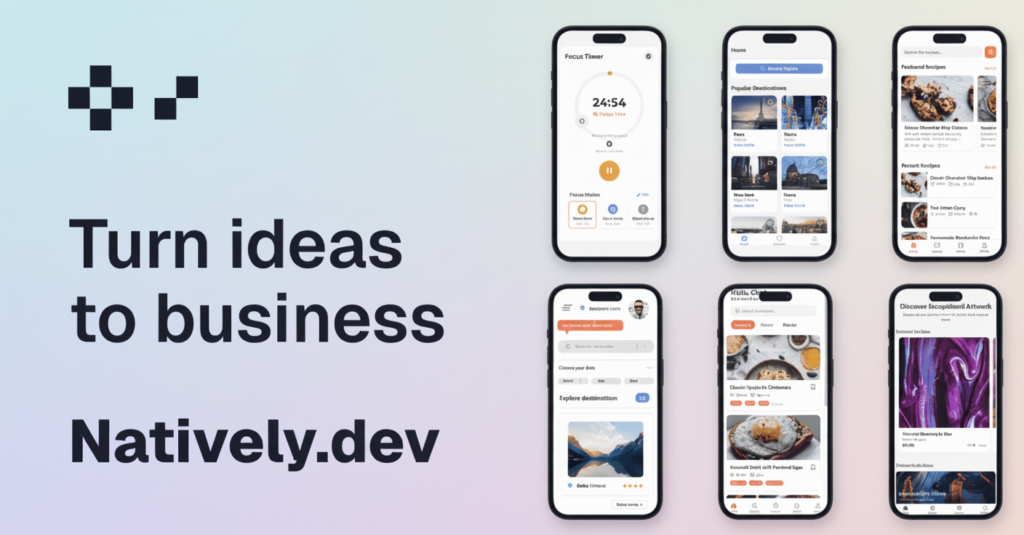
Creating mobile applications that function seamlessly across multiple platforms has become an essential strategy for developers aiming to maximize reach and efficiency. As the mobile landscape evolves rapidly, understanding the latest frameworks, best practices, and technological innovations is crucial for successful app deployment. This comprehensive guide explores the fundamentals of cross-platform development, compares leading frameworks, addresses common challenges, and looks ahead to future trends, equipping you with the knowledge to build versatile, high-performance apps in 2025 and beyond.
What Is Cross-Platform Mobile Development?
Cross-platform mobile app development refers to the process of creating applications capable of running on different operating systems—primarily iOS and Android—using a unified codebase. Instead of developing separate native apps in Swift for iOS and Kotlin for Android, developers write code once and deploy it across multiple platforms, drastically reducing time and resources. This approach enables faster market entry, easier maintenance, and consistent user experiences across devices.
The adoption of cross-platform frameworks has surged, with industry giants such as Facebook (Instagram), Microsoft (Skype), Shopify, Discord, Airbnb, and Walmart leveraging these tools to streamline their mobile development processes. By utilizing shared codebases, these companies can deliver updates simultaneously and maintain feature parity, enhancing their agility in a competitive market.
Benefits of Cross-Platform Development
Cost Efficiency
Developing a single codebase that supports multiple platforms significantly reduces development costs. Typically, teams save between 30% and 50% compared to maintaining separate native applications, as resources are consolidated, and duplicated efforts minimized.
Accelerated Time to Market
With cross-platform frameworks, launching on both iOS and Android can be accomplished concurrently. This synchronization allows for quicker deployment of updates and new features, giving businesses a competitive edge and reducing the risk of platform-specific delays.
High Code Reusability
Between 70% and 95% of the code can often be reused across platforms, covering business logic, API integrations, state management, and user interface components. This reusability simplifies testing, debugging, and future enhancements.
Simplified Maintenance
Managing a single codebase streamlines bug fixes and feature additions. Instead of coordinating separate teams for iOS and Android, developers can focus on one code repository, ensuring consistency and reducing the likelihood of discrepancies.
Leading Cross-Platform Frameworks
1. React Native
Developed by Meta (formerly Facebook), React Native stands out as the most popular cross-platform framework, powering apps like Instagram, Discord, Shopify, and Microsoft Office. Its widespread adoption stems from its ability to produce truly native UI components, ensuring high performance and a native look and feel.
Key Features:
- Programming Language: JavaScript/TypeScript
- Rendering: Native components for optimal performance
- Performance: Excellent, with smooth animations and interactions
- Learning Curve: Moderate, especially if familiar with React
- Community: Large ecosystem with extensive third-party libraries
- Hot Reload: Supported, enabling rapid development cycles
Ideal for: Teams experienced in JavaScript, projects requiring extensive third-party integrations, and applications where rapid iteration is essential.
2. Flutter
Google’s Flutter is rapidly gaining popularity, utilized by companies such as Alibaba, BMW, eBay, and Google Ads. Its innovative approach uses a custom rendering engine to achieve pixel-perfect UIs and high performance.
Key Features:
- Programming Language: Dart
- Rendering: Custom engine (Skia) for high fidelity visuals
- Performance: Excellent, with code compiled to native machine code
- Learning Curve: Moderate, requiring familiarity with Dart
- Community: Growing steadily, with comprehensive documentation
- Hot Reload: Supported, fostering rapid development
Ideal for: Applications with complex animations, custom UI requirements, and teams starting fresh projects without existing code dependencies.
3. Ionic
Ionic leverages web technologies—HTML, CSS, and JavaScript—to create hybrid apps encapsulated within native containers. It offers a familiar environment for web developers to build mobile applications.
Key Features:
- Programming Language: JavaScript/TypeScript
- Rendering: WebView-based (hybrid approach)
- Performance: Suitable for content-rich apps; less optimal for graphics-intensive UIs
- Learning Curve: Easy, especially for web developers
- Community: Well-established, compatible with Angular, React, and Vue
Ideal for: Simple applications, prototypes, MVPs, and teams with web development expertise.
Framework Comparison Chart
| Feature | React Native | Flutter | Ionic |
|———|—————-|———|——–|
| Language | JavaScript/TypeScript | Dart | HTML/CSS/JavaScript |
| Performance | Native-like | Native-like | WebView-based |
| Code Reuse | 70-95% | 95%+ | 95%+ |
| Ecosystem | Large | Growing | Mature |
| Learning Curve | Moderate | Moderate | Easy |
| Hot Reload | Yes | Yes | Yes |
| Popularity | Very High | High | Moderate |
Best Practices for Cross-Platform Development
1. Share Business Logic, Customize UI
Maximize code reuse by sharing core business logic, data handling, and API communication across platforms. Simultaneously, tailor user interfaces to match platform-specific design guidelines such as iOS’s Human Interface Guidelines and Android’s Material Design, ensuring a native experience for users.
2. Leverage Platform-Specific Code When Necessary
Avoid forcing uniformity where it doesn’t make sense. When access to platform-exclusive features or optimizations is required, utilize platform-specific code modules or native bridges. React Native simplifies this with `.ios.js` and `.android.js` files, allowing developers to target specific environments without disrupting the shared codebase.
3. Conduct Testing on Real Devices
While emulators and simulators are valuable, testing on actual hardware provides insights into performance, responsiveness, and device-specific behaviors. Real device testing is vital for identifying issues related to gestures, sensors, and hardware capabilities.
4. Optimize for Performance
Use profiling tools provided by frameworks like React Native and Flutter to identify bottlenecks. Optimize images, implement lazy loading, and prevent unnecessary re-renders to ensure smooth animations and interactions, especially on lower-end devices.
5. Embrace Platform-Specific Design Patterns
Respect user expectations by adopting native navigation methods, typography, and UI conventions. This approach enhances user satisfaction and increases app adoption rates.
Overcoming Common Challenges
- Platform-Specific Features: Use native modules or bridges to implement specialized features. Most frameworks support this with minimal complexity.
- Performance Issues: Regular profiling and optimization, such as virtualized lists for large datasets and memoization techniques, improve responsiveness.
- UI Consistency: Utilize component libraries that handle platform differences intelligently, or design platform-adaptive UI components.
- Debugging: Use dedicated development tools like React Native Debugger or Flutter DevTools. Incorporate error boundaries and detailed logging for easier troubleshooting.
The Future: AI-Driven Cross-Platform Development
Emerging AI-powered platforms are transforming how developers approach app creation. These tools can generate production-ready code from natural language descriptions, significantly accelerating development cycles. Benefits include:
- Rapid app prototyping with minimal manual coding
- Automatic platform-specific optimizations
- Full access to generated source code for customization
- One-click deployment to multiple app stores
Such innovations are making cross-platform development more accessible and efficient than ever before.
When to Opt for Native Development
Despite the advantages of cross-platform solutions, certain scenarios warrant native development:
- Apps requiring cutting-edge platform features or APIs
- Performance-critical applications such as high-end gaming or augmented reality
- Projects with separate iOS and Android development teams
- Apps with highly customized UI elements that deviate from platform conventions
Assess your project’s specific needs and resources before choosing the development approach to ensure optimal results.
Ready to Build Your Cross-Platform Application?
Leverage advanced tools and frameworks to streamline your development process. Deploy to both iOS and Android simultaneously, reducing time-to-market and resource expenditure. For more insights, explore ways to optimize gaming experiences on different platforms.
Related Resources
- React Native Application Development Guide
- Native Mobile App Development Strategies
- Comparing Web and Native Applications
Embracing cross-platform development empowers businesses and developers to innovate rapidly, reach wider audiences, and maintain high-quality standards—all while optimizing resources and reducing time-to-market.